How to Develop Your Presenting Voice and Style
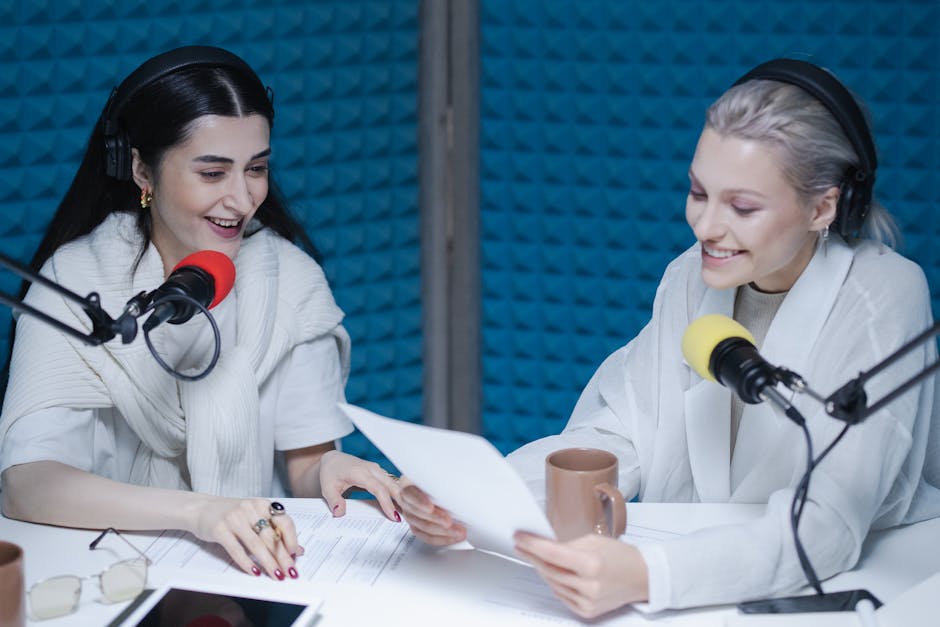
Your presenting voice is your professional identity in radio. Unlike other media, listeners connect with you primarily through voice and personality. Developing an authentic, engaging presenting style takes practice, but it's absolutely learnable.
Start by understanding your natural voice. Record yourself speaking conversationally, then listen critically. Notice your pace, tone, pitch, and any verbal habits like 'um' or 'like'. Don't try to sound like someone else—listeners detect inauthenticity immediately. Instead, aim for a polished version of your genuine self.
Work on clarity and articulation. Radio requires precise diction so listeners understand you clearly, especially in noisy environments or on poor-quality speakers. Practice pronouncing difficult words, especially place names and proper nouns relevant to your station's area. Slow your pace slightly; many new presenters rush because they're nervous. Aim for conversational speed, not rushed delivery.
Breathing technique matters more than you'd think. Proper breath control prevents you sounding breathless or running out of air mid-sentence. Practice diaphragmatic breathing—breathing deeply from your stomach rather than shallow chest breathing. This gives you better voice control and projection.
Develop warmth and personality. The best radio presenters sound like they're talking to a friend, not broadcasting to thousands. Imagine speaking to one person rather than a mass audience. This creates intimacy and connection, which keeps listeners tuned in.
Record yourself regularly and listen back critically. Notice what works and what doesn't. Do you sound confident? Engaged? Do you vary your pace and tone, or do you sound monotonous? Honest self-assessment is uncomfortable but essential for improvement.
Study presenters you admire. Listen to how they structure links, use pauses for effect, vary their tone, and create personality through voice. Analyse their techniques—not to copy them, but to understand what makes their presenting effective.
Practice live-reading and ad-libbing. Many new presenters stumble when speaking without a script. Spend time talking naturally about topics without preparation. This builds confidence and conversational ability essential for radio.
Finally, remember that your presenting voice develops over time. Your first shows won't be perfect, and that's fine. Each broadcast teaches you something. Stay focused on continuous improvement, and your authentic, confident presenting style will emerge naturally.